Moving Averages Explained — The Simplest Trend Tool
Most traders start here. We'll explain what moving averages actually do, why they work, and the three setups that matter most. It's not complicated.

What's a Moving Average?
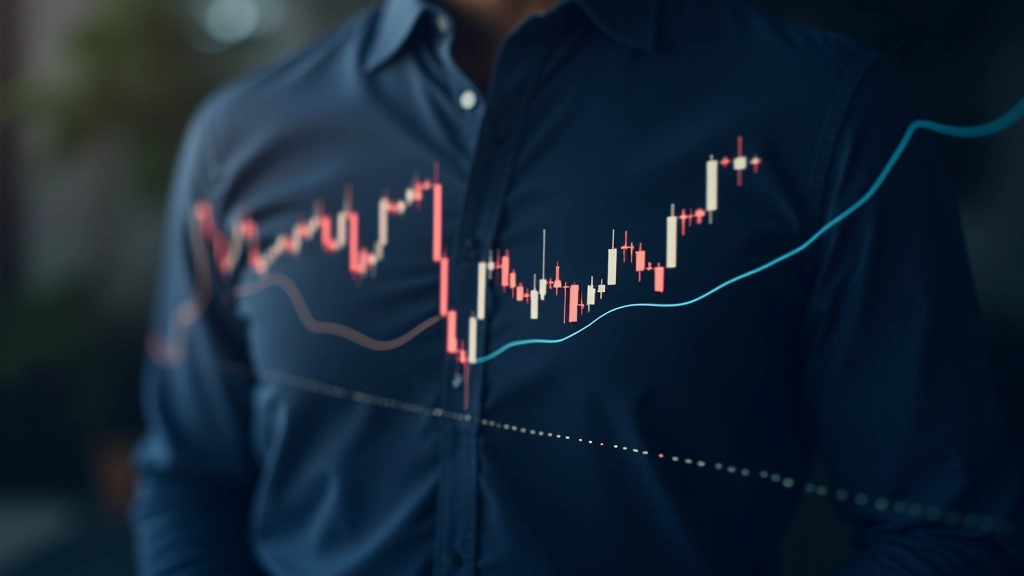
A moving average is just the average price over the last X days. That's it. You take the closing prices from, say, 20 days, add them up, divide by 20, and plot that number on your chart. Tomorrow you drop the oldest day and add the newest one. It moves. Hence the name.
The reason traders use them? They smooth out the noise. Price bounces around every day — that's just volatility. A moving average filters out those little wiggles so you can actually see if the market's trending up, down, or going nowhere. You're not trying to predict anything. You're just seeing what's already happening.
Why They Matter
- Filter out daily price noise
- Show the actual trend direction
- Work on any timeframe
- Simple to understand and use
The Three Moving Averages You'll Actually Use
You don't need ten different moving averages. Most traders use just three, and they're useful for different reasons.
The 20-Day MA (Short-term)
This one's close to the actual price. It shows you what's happening right now. If price is above the 20-day and that line is pointing up, you've got an uptrend. It's your quick signal.
The 50-Day MA (Medium-term)
This smooths out the 20-day's jitter. It shows you the intermediate trend. When the 20-day crosses above the 50-day, that's often a momentum shift worth paying attention to.
The 200-Day MA (Long-term)
This is the big picture. It shows the overall market direction. Many traders won't go long unless price is above the 200-day. It's the "market's mood" indicator.

Educational Information
This content is for educational purposes only. Moving averages are analytical tools that help visualize market trends — they're not predictive or trading advice. Market conditions vary, and what works in one timeframe might not work in another. Always do your own analysis and consider consulting with a financial professional before making trading decisions.
How to Actually Use Them
Here's the practical part. You're not trying to be clever. You're watching three things:
The Setup That Works
Price is above all three moving averages, and they're stacked in order (20 above 50 above 200). That's an uptrend. The opposite — price below all three with 20 below 50 below 200 — is a downtrend. When you see this alignment, the market has conviction. That's when moving averages are most useful.
The messy part comes when they're tangled together. Price might be above the 20 but below the 50. The 50 and 200 are close. That's choppy, indecisive market. You're not wrong to avoid it. Moving averages work best when there's actual trend, not when everything's confused.
Common Mistakes to Skip
People overcomplicate this. They add six moving averages, they change the periods to random numbers, they trade every tiny crossover. That's not how it works.
Too Many Moving Averages
More isn't better. Stick with the three core ones. You'll see clearer patterns, and you won't second-guess yourself.
Chasing Every Crossover
A moving average crossover can be a signal, but it's not automatic. You need context — where's price relative to the other averages? Is there actual trend or just noise?
Ignoring the Bigger Picture
A 5-minute moving average on a daily uptrend doesn't matter much. Always check the moving averages on the timeframe you're actually trading.

The Takeaway
Moving averages aren't magic. They're a way to see what's actually happening beneath the daily price noise. Use the three core periods — 20, 50, and 200 — and watch for alignment. When they're stacked and price is on the right side, you've got trend. When they're tangled, the market's confused. That's all you need to know.
Start practicing on a demo account or paper trading. Plot the three moving averages on whatever market you're interested in, and just observe. After a few weeks you'll see the patterns clearly. Then you can build from there. But moving averages themselves? They're straightforward. And they're the foundation that most serious traders still use today.
Related Guides